
Nigeria Now 2nd Highest Number Of Poor People Globally After India, Says Yemi Kale
Featured, Latest Headlines, News Across Nigeria, World News Friday, October 3rd, 2025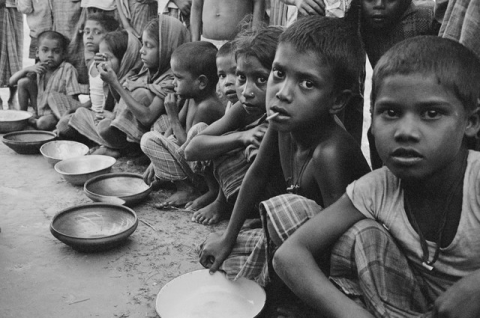
(AFRICAN EXAMINER) – Yemi Kale, former statistician-general of the National Bureau of Statistics (NBS), has stated that approximately 89 million people, or 40 per cent of Nigeria’s population, are living below the poverty line.
Kale, who is presently the group chief economist and managing director of research and trade intelligence at Afreximbank, stated this at The Platform Nigeria’s Independence Day event, themed ‘Rebuilding Our Nation’.

The economist stated that Nigeria is the country with the second-highest number of poor people globally after India.
“To grasp the magnitude of this number, we can consider that fewer than 20 of the world’s 195 recognised countries even have a population larger than just Nigeria’s estimated number of poor,” he said.
“And these dynamics are compounding. Together, these trends threaten the very promise of independence that every Nigerian should have the opportunity to thrive at home.
“So what went wrong? Well, there are many reasons, but a large part of it lies in policy missteps and costly delays in implementing needed reforms.
“Key adjustments, some finally underway, should have begun over a decade ago, when warning signs were already evident.
“Acting sooner would have significantly softened the impact on households and businesses, sparing the economy years of compounding fiscal and inflationary pressures.
“Instead, distortive monetary and exchange rate policies lingered, eroding investor confidence and choking off investment.”
Kale, speaking about the economic reforms stated that the reforms recently introduced are challenging and painful, but they are necessary, as he added that, “there is really no credible alternative”.
“The challenge, however, is to ensure that the path of reform is as painless, humane, and well-sequenced as possible,” he said.
“But too often in Nigeria this has been overlooked or maybe poorly implemented, resulting in what I think are avoidable hardships.”


Short URL: https://www.africanexaminer.com/?p=104481